Gonzalez, Porter Jr., and a Gap in the NFL's CBA
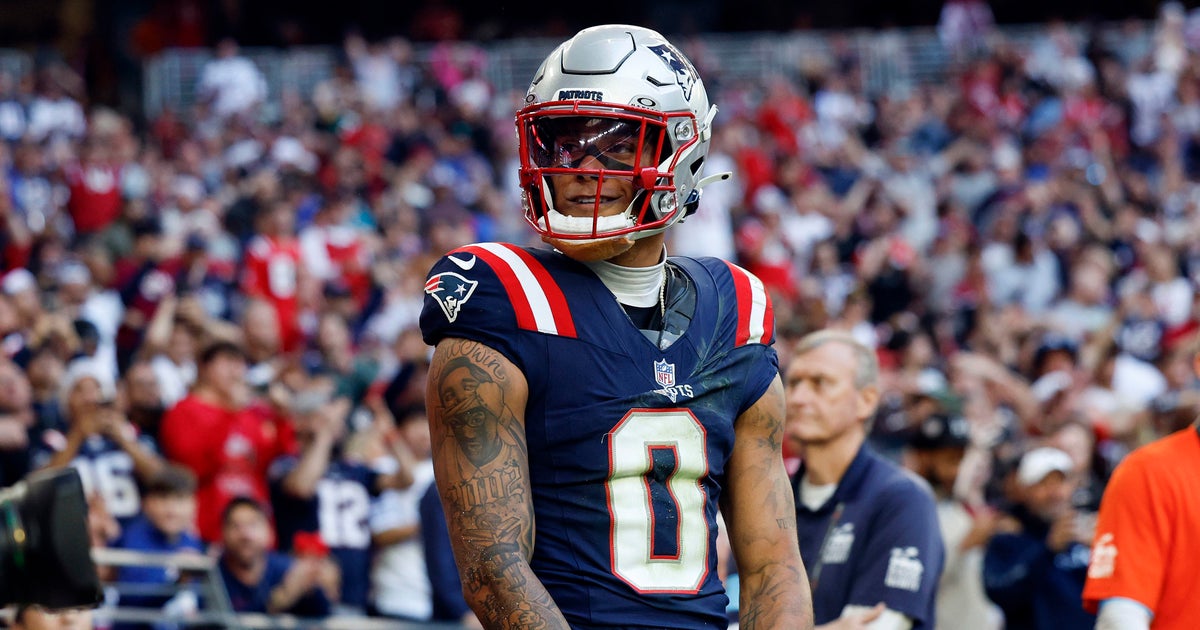
Two of the NFL’s premier young cornerbacks, Christian Gonzalez of the Patriots and Joey Porter Jr. of the Steelers signaled that they may refuse to play the 2026 season under their current contract. This is the most significant player standoff since Chris Jones of the Chiefs refused to play week 1 of the 2023 season without a new deal. How does the collective bargaining agreement treat player refusal to participate?
Disputes About Player Fitness
Both players reported to training camp but claimed to sustain injuries that prevented them from fully participating. Some outlets were skeptical of the seriousness of their injuries, believing they were pretext to engage in a hold-in during training camp.
The problem for both sides is that faux-injuries fall into a hole in the CBA.
Disputes over injuries after a player’s contract has been terminated are covered in the NFL under Article 44 of the CBA, “Injury Grievances”. Specifically, these disputes follow a three-step process:
- The player is initially evaluated for the team physician to determine fitness to play.
- If the team and the player disagree about the conclusion of the team physician, the player is referred to a neutral medical provider jointly selected by the NFL and the NFLPA. That medical provider cannot have had previous interaction regarding the player’s case with either the team physician or the player’s physician.
- The neutral physician provides a report to a neutral arbiter, again jointly selected by the NFL and the NFLPA. The neutral arbiter considers the report and surrounding facts to make a final and binding determination about the player’s fitness to play.
Any grievance between current players and clubs arises under Article 43, the standard NFL grievance procedure. From what I can tell, faux-injury grievances have yet to be handled under the NFL CBA, so such a claim would fall between the cracks of Article 43 (the general grievance procedure, not designed for injuries) and Article 44 (which only covers medical disputes after a player’s contract has been terminated).
That said, Article 44 provides a previously agreed upon framework for determining player fitness. Accordingly, it seems reasonable, although not guaranteed, that an arbitrator would ask for some version of that process (e.g., team evaluation, neutral evaluation) prior to making a decision.
Article 8(1)(b)
The 2020 NFL CBA includes new penalties for players who refuse to participate under their current contracts. Article 8(1)(b) provides the most leverage to the Patriots and Steelers. The article states:
A player shall not receive an Accrued Season for any League Year in which the player is under contract to a Club and in which (i) he failed to report to the Club’s preseason training camp on that player’s mandatory reporting date; or (ii) the player thereafter failed to perform his contract services for the Club for a material period of time, unless he demonstrates to the Impartial Arbitrator extreme personal hardship causing such failure to report or perform, such as severe illness or death in the family. The determination of the Impartial Arbitrator shall be made within thirty days of the application by the player, and shall be based upon all information relating to such hardship submitted by such date. The determination of the Impartial Arbitrator shall be final and binding upon all parties.
Provision (ii) is the one that both Porter Jr. and Gonzalez will be most concerned about. Under this provision, should they be found to hold out for a “material period of time”, they would not receive an accrued season toward free agency. As a result, these players would only qualify for restricted free agency, not unrestricted free agency.
Teams have more options to retain restricted free agents compared to unrestricted ones. In the case of Porter Jr. and Gonzalez, their teams would most likely opt for a first-round tender, under which other clubs could negotiate with these players, but their respective teams would have the right of first refusal to match that contract. Alternatively, should the original team decline to match the negotiated contract, they would receive the acquiring team’s first round pick as compensation.
The value of a first round pick is roughly estimated at 3% of the salary cap, or about $10 million per season. Accordingly, should a team acquire either player for above $30M per season, surrendering their first round pick would push that total cost to above $40M per season.
Getting to Kickoff
Given their number of accrued seasons, a holdout that extends into the season is extremely risky for both players. At the moment, however, both players have every incentive to make their clubs believe they are willing to hold out – it is central to their leverage. Given the risks, it seems likely that both will find a way to save face and return to their clubs before Week 1.
Comments
No comments yet — be the first.